
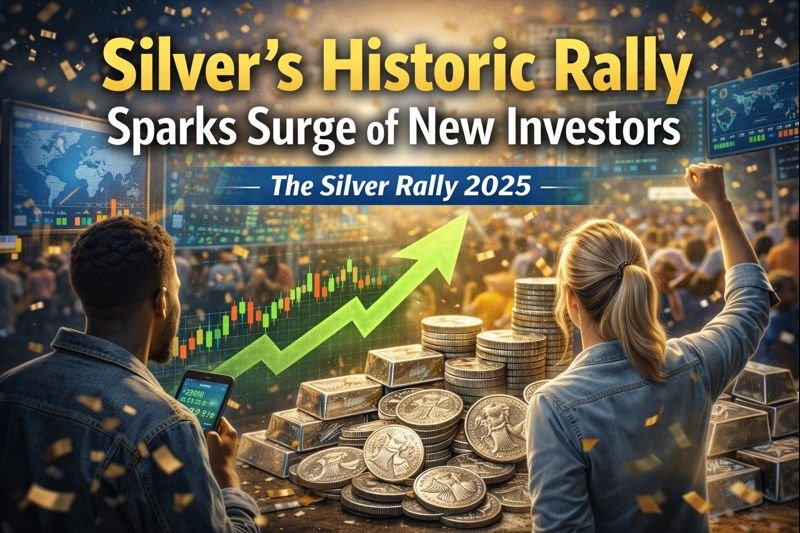
Silver, often overshadowed by its more famous counterpart gold, is suddenly in the spotlight.silver price surge In 2025, the precious metal has experienced a dramatic surge, catching the attention of both seasoned traders and everyday investors who previously had little to no exposure to commodities. What’s remarkable is not just the price jump but the diversity of people drawn into the market—from young professionals to casual hobbyists exploring silver for the first time.
This friendly guide explores why silver is booming, who is buying it, and what risks and opportunities lie ahead for investors.
A Sudden Surge in Silver Prices
Silver prices have been on a steep climb this year, rising well beyond levels seen in recent decades. Analysts report that this rally has been fueled by a combination of industrial demand, limited supply, and macroeconomic uncertaintySilver’s Historic Rally.
Unlike stocks or bonds, silver does not pay dividends or interest. Its value is largely determined by market demand, investor sentiment, and its industrial uses in electronics, solar panels, and medical equipment. This combination of factors has made silver an attractive option for those looking to diversify their portfolios or hedge against inflation.
Why Amateur Investors Are Joining the Rally
One of the most striking aspects of the silver surge is the influx of everyday investors. Many are first-time commodities buyers, drawn in by easy-to-use trading apps, social media trends, and word-of-mouth recommendations silver price surge.
Take, for example, Jay Moorer, a trucking manager from Arizona. Previously focused on stocks and cryptocurrencies, he recently started buying silver coins after seeing the metal’s rapid price increase. What began as a small purchase of a few ounces quickly grew into a collection of dozens of coins stored in a home safe. “It’s exciting to see something tangible go up in value,” he says.
Coin shops across North America are reporting record foot traffic and increased sales of silver coins and bars. The new wave of buyers includes young professionals, families, and hobbyists, all looking to either invest or collect.
The Role of Social Media
Social media has played a pivotal role in spreading awareness about silver. Platforms like YouTube, Reddit, and TikTok are filled with videos and posts explaining silver’s industrial uses, historical value, and investment potential. Online communities share tips, forecasts, and success stories, making silver feel accessible and exciting.
While these platforms provide valuable information, they also amplify optimism. Some experts warn that hype can drive prices higher temporarily, only to see them fall sharply when sentiment changes. Nevertheless, for many new investors, social media has made silver approachable and engaging.
Industrial Demand Supports the Rally
Unlike gold, silver has a strong industrial component. Its use in electronics, batteries, medical equipment, and solar panels creates steady demand. In particular, the growth of renewable energy has increased silver consumption, as solar technology relies on silver for its conductive properties.
This dual role—as both a precious and industrial metal—helps explain the strong rally. While gold mainly attracts investors seeking a store of value, silver benefits from both investor interest and real-world industrial demand.
Macro Factors Driving Investor Interest
Several macroeconomic trends have contributed to silver’s surge:
- Inflation Concerns: Rising prices of goods and services prompt investors to seek safe-haven assets.
- Interest Rate Movements: Lower yields on bonds make non-yielding assets like silver more appealing.
- Currency Volatility: Fluctuations in major currencies encourage investment in tangible assets.
- Global Uncertainty: Geopolitical tensions and economic unpredictability push investors toward metals as a hedge.
These factors combined have created the perfect storm for silver’s historic price climb.
The Physical vs. Digital Investment Debate
Many new silver investors prefer physical silver, including coins and bars, for the tactile reassurance it provides. Holding silver in hand offers a sense of security that digital assets or paper investments cannot.
At the same time, exchange-traded funds (ETFs) and futures contracts allow investors to trade silver without handling it physically. These tools appeal to those looking for liquidity and flexibility. Both approaches have contributed to the surge in interest and trading volume.
Coin Shops and Retail Pressure
Retail silver sales have skyrocketed. Coin shops and online dealers report shortages and high premiums above spot prices. Some stores have even introduced waiting lists for popular products.
Interestingly, conversations with customers have shifted. Where buyers once focused on historical value or collectible rarity, many now prioritize the metal’s current price and potential future gains. The market has become a mix of collectors, investors, and speculative buyers.
Speculation vs. Long-Term Investment
Not all silver buyers share the same motivations. Broadly, investors fall into two categories:
- Long-Term Holders: These individuals see silver as a hedge against inflation or economic uncertainty. They are unlikely to sell even if prices fluctuate.
- Speculative Traders: These buyers are chasing momentum, aiming to profit from price spikes through ETFs, futures, or options.
While both groups contribute to the market’s vibrancy, speculative trading can amplify volatility. Historical silver rallies have often ended with sharp corrections, a reminder that even a metal as tangible as silver carries risk.
Lessons from Historical Silver Booms
Silver’s history is marked by cyclical surges and corrections. During previous rallies, rising prices attracted retail investors, leading to peaks that were often followed by declines. These patterns illustrate the importance of risk management and cautious optimism.
Despite these lessons, the current rally feels different to some investors. Renewed industrial demand, global economic uncertainty, and unprecedented access to trading platforms have created unique conditions not seen in past decades.
What Experts Are Saying
Market analysts offer a balanced perspective. While many acknowledge silver’s impressive gains, they emphasize that volatility remains a key concern. Short-term corrections are possible, and sudden changes in interest rates or industrial demand could affect prices.
Nevertheless, the underlying factors supporting silver—industrial demand, macroeconomic uncertainty, and growing retail interest—suggest the metal could continue attracting attention in the months ahead.
Tips for New Investors
For those considering silver, experts suggest:
- Start Small: Begin with modest purchases to understand market behavior.
- Diversify: Don’t put all your investment capital into a single commodity.
- Understand Volatility: Be prepared for price swings, both up and down.
- Research: Learn about silver’s industrial uses, historical trends, and market mechanics.
- Decide on Physical vs. Digital: Determine whether holding physical silver or trading financial products suits your goals.
Following these guidelines can help investors navigate the silver market safely while taking advantage of potential opportunities.
Conclusion
Silver’s historic rally in 2025 has brought this often-overlooked metal into the spotlight. Driven by a mix of industrial demand, macroeconomic uncertainty, and retail enthusiasm, the surge has created excitement among both new and seasoned investors.
While volatility remains a risk, the rally highlights silver’s enduring appeal as both a tangible asset and a store of value. Whether you are a first-time buyer or a longtime collector, silver’s story in 2025 offers lessons in opportunity, caution, and the timeless allure of precious metals.
FAQs About Silver Investing
1. Why is silver price rising so rapidly in 2025?
The surge is driven by increased industrial demand, limited supply, macroeconomic uncertainty, and rising retail interest.
2. Can new investors safely buy silver?
Yes, but it’s important to start small, diversify investments, and understand market volatility.
3. Should I invest in physical silver or ETFs?
Physical silver provides tangible security, while ETFs and futures offer liquidity and flexibility. Many investors use a combination of both.
4. Is silver a better investment than gold?
Silver has different advantages, including lower cost and industrial demand. Both metals serve as hedges against economic uncertainty.5. What are the risks of investing in silver?
Silver is volatile, and prices can fluctuate quickly due to market sentiment, supply changes, or macroeconomic factors.